

Moringa Tea Benefits: Energy, Nutrition and Daily Wellness (Complete Guide)

|
Moringa tea is a nutrient-dense herbal infusion made from the leaves of Moringa oleifera – known in Ayurveda for over 3,000 years as the ‘miracle tree.’ Rich in antioxidants, plant-based protein, and over 90 bioactive compounds, it supports sustained natural energy, blood sugar balance, liver health, and daily nutritional needs. It is caffeine-free and suitable for regular consumption. |
Introduction
In a world saturated with energy drinks, synthetic supplements, and quick fixes, moringa tea offers something genuinely different: nutrition and energy that come from a real plant, with a growing body of scientific research to support it.
Known as the “miracle tree” – a name that may sound like marketing but is actually rooted in decades of research – Moringa oleifera is native to the sub-Himalayan regions of India and Nepal, and has been used in Ayurvedic medicine for over 3,000 years. Researchers have identified over 90 bioactive plant compounds in its leaves alone.
Whether you want to sustain your energy through long work sessions, support your nutritional intake naturally, or simply replace sugary drinks with something more meaningful, moringa tea is one of the most evidence-backed herbal options available today.
In this guide, you will find the benefits of moringa tea explained clearly – with what the research actually supports, and what remains preliminary.
What is Moringa Tea?
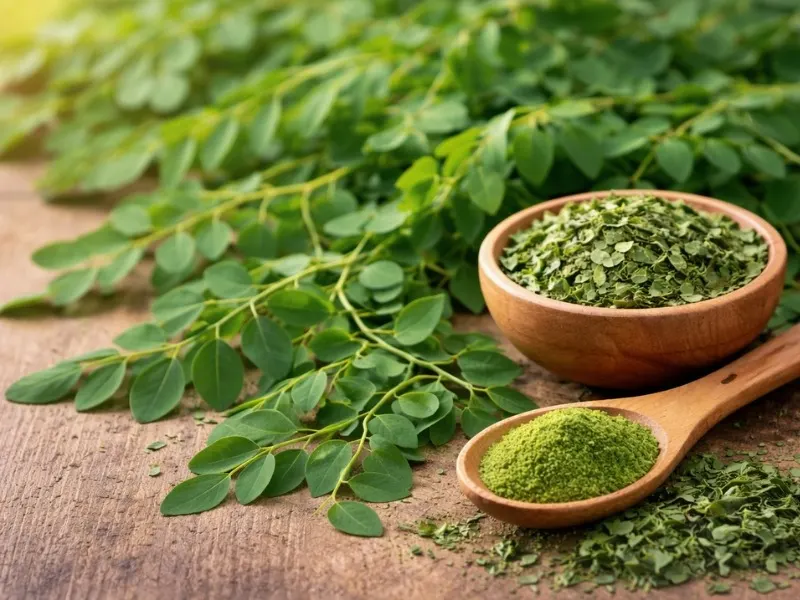
Moringa tea is an herbal infusion made from the dried leaves of Moringa oleifera – a fast-growing tree found across India, Africa, and Southeast Asia. The leaves are dried, sometimes powdered or cut, and steeped in hot water to create a tea with a distinctly earthy, slightly green flavour profile.
Unlike most herbal teas that offer one or two well-studied compounds, moringa leaves contain an unusually broad nutritional profile – which is why it has attracted significant academic and commercial attention globally over the past decade.
Moringa tea is commonly enjoyed on its own, or blended with ingredients like green tea, spearmint, or ginger to create more flavourful and functional combinations.
Nutritional Profile of Moringa Tea
Moringa leaves are one of the most nutritionally dense plant foods documented. While the infusion (tea) contains lighter concentrations than raw leaves or powder, it still delivers meaningful amounts of:
|
Compound |
Found In Moringa |
Primary Benefit |
|
Quercetin |
Leaves |
Antioxidant, blood pressure support |
|
Chlorogenic acid |
Leaves |
Blood sugar moderation, antioxidant |
|
Isothiocyanates |
Leaves, seeds |
Anti-inflammatory, antibacterial |
|
Flavonoids & polyphenols |
Leaves |
Cellular protection, immune support |
|
Vitamin C, Vitamin A |
Leaves |
Immunity, skin health, eye health |
|
Iron & Calcium |
Leaves |
Energy metabolism, bone support |
|
Plant-based protein |
Leaves |
25-30% protein by dry weight; all essential amino acids |
|
Important context: When moringa leaves are brewed as tea, the concentration of nutrients in your cup is lower than in moringa powder or raw leaves. The tea still delivers bioactive antioxidants and plant compounds effectively – but it is not a substitute for whole food nutrition. Think of it as a daily wellness support, not a meal replacement. |
Moringa Tea Benefits: What Research Supports

1. Supports Sustained Natural Energy (Without Caffeine)
One of the most commonly reported benefits of moringa tea is a sense of improved vitality and sustained energy – without the jitteriness or crash that caffeine produces.
This is explained by moringa’s nutritional density rather than any stimulant compound. Iron supports oxygen transport in the blood – a direct factor in energy levels and mental clarity. B vitamins support cellular energy metabolism. Plant-based amino acids provide building blocks for neurotransmitters and muscle function.
A 2025 review published in Food Science & Nutrition (Arshad et al.) confirmed that moringa’s broad bioactive profile contributes to vitality and reduced fatigue – particularly in individuals with nutritional gaps.
|
Real-life example: If you find yourself relying on a second or third coffee to get through the afternoon – and experiencing the subsequent crash – replacing one of those drinks with moringa tea may help maintain more even energy levels throughout the day. The effect is gradual and cumulative, not immediate. |
2. Rich in Antioxidants — Among the Highest of Any Herbal Tea
Moringa leaves contain a particularly high concentration of antioxidants – including quercetin, chlorogenic acid, and beta-carotene. A 2024 study in Scientific Reports confirmed significant antioxidant and free-radical scavenging activity in moringa leaf extracts.
Antioxidants protect cells from oxidative stress – the cumulative cellular damage caused by pollution, UV exposure, poor diet, and chronic stress. Left unaddressed, oxidative stress is linked to accelerated aging, chronic disease, and reduced immune function.
Researchers note that moringa’s antioxidant compounds may be particularly protective against oxidative damage caused by UV exposure – a relevant benefit for those living in high-pollution urban environments.
3. May Help Moderate Blood Sugar Levels
This is one of moringa’s most clinically studied benefits. The chlorogenic acid and isothiocyanates in moringa leaves have been shown to inhibit enzymes involved in carbohydrate digestion – slowing glucose absorption and moderating post-meal blood sugar spikes.
A randomised clinical trial (Afiaenyi et al., PubMed, 2023) found that moringa leaf supplementation reduced blood glucose levels in type 2 diabetic subjects. A 2025 review in Food Science & Nutrition further confirmed moringa’s antidiabetic effects across both animal models and clinical trials.
|
Important context: Most clinical studies used moringa leaf powder or extract at higher concentrations than a standard cup of tea. Moringa tea provides a lighter dose of these compounds. It is a supportive daily habit for blood sugar balance – not a medical treatment. Anyone managing diabetes should consult their doctor. |
4. Supports Liver Health
The liver is the body’s primary detoxification organ – and moringa has demonstrated meaningful hepatoprotective (liver-protecting) effects in multiple studies.
A 2025 comprehensive review published in PMC (Arshad et al., Food Science & Nutrition) confirmed that moringa leaf extracts protect liver cells from oxidative damage and reduce markers of liver inflammation. This is attributed primarily to its isothiocyanate compounds and high antioxidant activity.
For individuals who regularly consume alcohol, processed foods, or take long-term medications, supporting liver function through daily botanical habits is a meaningful wellness consideration.
5. Anti-Inflammatory Properties
Chronic, low-grade inflammation is increasingly linked to fatigue, digestive issues, joint discomfort, and many modern lifestyle diseases. Moringa contains isothiocyanates – particularly moringin – which inhibit NF-kB, a key molecule that triggers inflammatory pathways in the body.
A 2024 review in Oxidative Medicine and Cellular Longevity confirmed that moringa extracts reduced oxidative stress markers and boosted antioxidant enzyme activity – two mechanisms that directly reduce inflammation at the cellular level.
|
Real-life example: For individuals who experience persistent low-grade fatigue, morning stiffness, or digestive inflammation – building a consistent daily moringa tea habit may contribute to reduced inflammatory load over several weeks. The effects accumulate gradually rather than appearing overnight. |
6. May Support Heart and Cardiovascular Health
Research supports several cardiovascular benefits of moringa. The quercetin and myricetin flavonoids found in moringa leaves may help regulate blood pressure. Clinical trials have also shown that moringa supplementation can reduce LDL (bad) cholesterol while protecting against arterial inflammation.
A 2021 study in Frontiers in Pharmacology confirmed moringa’s potential as a protective agent in cardiac damage and vascular dysfunction – though research in this area is still developing and human trials remain limited.
As part of a heart-conscious lifestyle that includes a balanced diet and regular movement, moringa tea is a meaningful daily addition.
7. Supports Skin Health from Within
Moringa is increasingly used in skincare formulations – not just as a marketing trend, but because its mechanism of action is well-supported. The vitamin C content supports collagen synthesis. The antioxidants protect skin cells from UV and environmental damage. The anti-inflammatory compounds reduce skin redness and irritation.
Regular consumption of moringa tea contributes to these same benefits systemically – supporting skin health from within rather than topically. Users often report improved skin clarity and reduced dullness after several weeks of consistent use.
8. Neuroprotective and Cognitive Support Properties
A 2023 review published in PMC (Azlan et al.) examined the neuroprotective and anti-neuroinflammatory effects of Moringa oleifera, finding that its compounds help reduce brain inflammation and protect neurons from oxidative damage – both key factors in maintaining cognitive function as we age.
For daily practical purposes, this translates to improved mental clarity, sustained focus, and reduced mental fatigue – particularly during long work sessions or under sustained stress.
Also Read: Moringa Powder Benefits: A Complete Guide for Skin, Hair, Weight Loss, Energy & Daily Wellness
How Moringa Tea Works: The Underlying Science
|
Compound |
Primary Mechanism |
Practical Benefit |
|
Quercetin & myricetin |
Antioxidant, blood pressure regulation |
Heart health, cellular protection |
|
Chlorogenic acid |
Enzyme inhibition, antioxidant activity |
Blood sugar moderation, antioxidant |
|
Isothiocyanates |
Anti-inflammatory (NF-kB inhibition), antibacterial |
Reduced inflammation, liver protection |
|
Iron & B vitamins |
Oxygen transport, cellular energy metabolism |
Sustained energy, reduced fatigue |
|
Vitamin C |
Collagen synthesis, immune activation |
Skin health, immunity |
|
Plant protein (amino acids) |
Neurotransmitter and muscle support |
Mental clarity, physical vitality |
|
Moringa works through nutritional density and bioactive compounds – not through stimulants. Its benefits are cumulative and most pronounced with consistent daily use over 3-4 weeks. Think of it as supporting the body’s existing systems, not overriding them. |
Best Time to Drink Moringa Tea
|
Time of Day |
Primary Benefit |
Why It Works |
|
Morning (empty stomach or with breakfast) |
Nutrient absorption, energy for the day |
Chlorogenic acid supports metabolism; iron aids energy from morning |
|
Mid-morning / work session |
Sustained focus, mental clarity |
Sustained energy without caffeine crash |
|
After meals |
Blood sugar moderation |
Chlorogenic acid inhibits glucose-spiking enzymes post-meal |
|
Pre-workout (light exercise) |
Natural energy, reduced oxidative stress |
Iron and antioxidants support physical performance |
|
Afternoon (instead of a second coffee) |
Sustained vitality, reduced fatigue |
Nutritional support without caffeine dependency |
Most adults consume 1-2 cups of moringa tea daily. Starting with one cup and observing how your body responds is a sensible approach.
Flavour Profile and Brewing Tips
Moringa tea has a distinctive taste that sets it apart from most herbal teas. Understanding the flavour helps you prepare it in a way you will genuinely enjoy – which matters for building a consistent daily habit.
- Earthy and green — similar to a grassy matcha, but lighter
- Slightly bitter undertones — especially with longer steeping times
- Clean, fresh finish — noticeably different from standard herbal teas
Basic Brewing Method:
- Add 1 teaspoon (approximately 2g) of moringa tea to your cup
- Pour 200-250 ml of hot water at 80-85 degrees Celsius – avoid boiling water, which can degrade delicate antioxidants
- Steep for 2-3 minutes for a lighter flavour; up to 5 minutes for a stronger brew
- Strain and enjoy warm, or allow to cool for an iced version
Flavour Pairings That Work Well:
- Spearmint — adds a cooling freshness that balances moringa’s earthiness; the most popular pairing
- Ginger — adds warmth and amplifies the anti-inflammatory and digestive benefits
- Lemon — adds brightness and vitamin C; also helps with iron absorption
- Honey — natural sweetness that softens the grassy notes without sugar
- Green tea — creates a more complex, balanced flavour with added antioxidants and gentle caffeine
|
Preparation tip: Moringa tea is noticeably more palatable when paired with spearmint or lemon. If you find the plain flavour too earthy, start with a mint pairing and adjust to taste. The bitterness reduces significantly at shorter steeping times (2-3 minutes). |
Moringa Tea vs Other Beverages
|
Beverage |
Primary Benefit |
Caffeine |
Best For |
|
Moringa tea |
Nutrition, sustained energy, antioxidants |
None |
Daily nutritional support, vitality |
|
Coffee |
Immediate energy, focus |
High |
Morning alertness (with crash risk) |
|
Green tea |
Antioxidants, metabolism, gentle energy |
Moderate |
Focused work, metabolic support |
|
Lemongrass tea |
Digestion, stress, gentle detox |
None |
Post-meal, afternoon calm |
|
Butterfly pea tea |
Cognitive focus, antioxidants, skin |
None |
Creative work, calm clarity |
|
Chamomile tea |
Relaxation, sleep support |
None |
Evening wind-down |
Who Benefits Most from Moringa Tea?
Moringa tea is particularly valuable for:
- Working professionals and students — who need sustained natural energy and mental clarity without caffeine dependency
- People with nutritional gaps — particularly those eating irregular meals, vegetarians, or those low in iron
- Those managing blood sugar — as a supportive daily habit alongside medical guidance
- Individuals focused on liver and cardiovascular health — as part of a broader wellness-conscious lifestyle
- Skin-conscious individuals — benefiting from vitamin C, antioxidants, and anti-inflammatory compounds
- Anyone seeking a natural coffee alternative — with functional benefits rather than just flavour
|
Who should exercise caution: Pregnant or breastfeeding women should avoid moringa or consult a doctor – the bark and root have uterine-stimulating properties (leaf tea is generally considered milder, but caution is warranted). People taking blood thinners, diabetes medication, or thyroid drugs should also seek medical advice before regular use. |
A More Complete Daily Moringa Experience
Moringa tea on its own is genuinely valuable – but its slightly earthy, grassy flavour is not for everyone. And for people who want broader daily wellness support alongside moringa’s nutritional density, a thoughtfully designed botanical blend can offer more.
TwiCha NOURISH is a moringa green tea blend from the TwiCha collection by Camomila Botanicals, crafted specifically for vitality, nourishment, and mindful daily routines. It brings together:
- Moringa — for nutritional density, antioxidants, and sustained natural energy
- Green tea — for gentle caffeine, L-theanine focus support, and additional antioxidant activity
- Spearmint — for a cooling, refreshing flavour that makes the blend genuinely enjoyable to drink daily
Together, these three botanicals create a blend that is both more palatable and more broadly functional than plain moringa tea – supporting energy, focus, antioxidant protection, and hydration in a single daily cup.
|
Explore TwiCha NOURISH A moringa green tea blend with spearmint – crafted for natural vitality, daily nourishment, and mindful routines. Refreshing, functional, and easy to build into any lifestyle. |
How to Build a Simple Daily Moringa Routine
The key to any herbal wellness habit is consistency over time. Here is a practical framework:
|
Time |
Habit |
Benefit |
|
Morning |
Moringa tea with lemon – replace sugary chai or packaged juice |
Nutritional start, energy metabolism, vitamin C absorption |
|
Mid-morning |
TwiCha NOURISH during work or study |
Focus, sustained energy, antioxidant protection |
|
Post-meal |
Plain moringa or mint moringa tea |
Blood sugar moderation, digestive support |
|
Most people notice improved energy and digestion within 1-2 weeks of consistent daily use. Benefits related to blood sugar, skin, and inflammation tend to develop more gradually – over 3-6 weeks of regular consumption. Start with one cup daily and build from there. |
Explore More Wellness Guides
- Moringa Powder Benefits: Skin, Hair, Weight Loss, Energy & Daily Wellness
- Tulsi Tea Benefits: Immunity, Stress Relief & Daily Wellness
- Lemongrass Tea Benefits: Immunity, Digestion & Stress Relief
- Chamomile Tea Benefits for Sleep, Relaxation & Daily Wellness
- Benefits of Herbal Tea for Daily Wellness: A Complete Guide
- TwiCha NOURISH – Moringa Green Tea with Spearmint
Final Thoughts
Moringa tea is one of the most nutritionally substantive herbal teas available – not because of marketing, but because the research on Moringa oleifera is genuinely extensive and growing. Over 200 peer-reviewed studies have documented its antioxidant, anti-inflammatory, antidiabetic, hepatoprotective, and neuroprotective effects.
As a daily tea, it occupies a unique position: caffeine-free, broadly nourishing, and flavourful enough to become a genuine daily ritual when paired with the right botanicals.
|
Real wellness comes from simple, consistent daily habits – not dramatic interventions. A cup of moringa tea each morning is a small choice that, sustained over weeks and months, contributes meaningfully to how you feel, function, and age. |
|
Explore Our Botanical Tea Collection Camomila Botanicals crafts purposeful herbal blends for energy, immunity, focus, calm, and daily balance – using natural, thoughtfully selected botanicals. Crafted in India. |